|
Here are 6 accessories that elevate animatronic dinosaur displays: Realistic sound systems (used in 85% of exhibits) enhance immersion, while dynamic lighting creates dramatic effects. Interactive touchscreens (increasing by 30% yearly) educate visitors, and fog machines simulate prehistoric atmospheres. Thematic vegetation (ferns, palms) complements scenes, and movable barriers ensure 15% safer crowd control. These elements collectively boost engagement by 40% in themed exhibitions. Sound & Lighting EffectsIntroduction
Research shows that 85% of visitors rate exhibits with dynamic audio and lighting as more engaging than static ones. A well-designed sound system—typically costing between 500and5,000 depending on scale—can project roars, footsteps, and environmental noises at 110-120 dB, matching real dinosaur vocalizations. Meanwhile, LED lighting setups (averaging 50W-200W per fixture) allow for color-changing effects, simulating dawn, dusk, or even volcanic eruptions. Exhibits using synchronized sound and light see 30% longer visitor dwell times, directly increasing revenue per guest. Key Components & Performance Data 1. Audio Systems
70% of professional exhibits use waterproof, outdoor-rated speakers (200−800 each) to withstand weather. Directional audio—placing speakers at 1.5m-3m heights—creates a 3D effect, making dinosaurs seem closer. Studies show that low-frequency sounds (below 100Hz) increase perceived realism by 40%. 2. Lighting Techniques
LED spotlights (3000K-6000K color temperature) are the standard, with 90% of installations using DMX controllers for programmable effects. A single animatronic dinosaur typically requires 3-5 lights (150−400 each) for full coverage. Pulsing red-orange lighting (at 5-10Hz flicker rates) enhances "attack" scenes, while slow blue-green shifts improve underwater or jungle atmospheres. 3. Synchronization & Control
Mid-range setups (2,000−10,000) use timecode sync to align sound and light within ±50ms accuracy. Wireless systems (2.4GHz or 5GHz) reduce cabling costs by 15-20%. For large parks, centralized control via Art-Net or sACN protocols ensures seamless operation across 100+ devices. 4. Energy & Cost Efficiency
Modern LED arrays consume 60% less power than halogen alternatives, cutting electricity bills by 200−1,000/month for mid-sized exhibits. Solar-powered options (with 6-8 hour battery life) are viable for outdoor setups, reducing grid dependence by 25-30%. 5. Visitor Impact Metrics
Exhibits with advanced sound/lighting report: - 22% higher ticket sales
- 40% more social media shares (due to "dramatic" photo opportunities)
- 15% increase in repeat visits
Maintenance & Lifespan
Speakers last 5-8 years with proper care, while LEDs average 50,000 hours (about 6 years of continuous use). Annual maintenance costs range from 500−3,000, mostly for dust/waterproofing checks and software updates. Key Features & Performance DataDisplay & Durability
Most professional exhibits use 55-inch to 65-inch touchscreens (1920x1080 to 3840x2160 resolution) mounted at 1.2m to 1.5m height for optimal accessibility. Capacitive touch (supporting 10-point multi-touch) is preferred over infrared due to higher accuracy (99.9%) and longer lifespan (7-10 years). Outdoor-rated models with IP65 waterproofing and anti-glare coatings cost 20-30% more but reduce maintenance by 50% in high-traffic areas. Software & Content
Preloaded dinosaur apps—such as virtual dig simulations, size comparisons, and predator-prey games—increase interaction rates by 40%. Customizable CMS platforms (like Scala or BrightSign) allow real-time updates, with 90% of major exhibits refreshing content monthly. Motion-activated prompts (triggered at 1.5m distance) improve accessibility, increasing usage among younger visitors by 25%. Visitor Engagement Metrics - 45% of guests interact with touchscreens when available.
- 3D model viewers are the most-used feature (55% of interactions).
- Exhibits with touchscreens see 15% higher souvenir sales, as users seek related merchandise after learning more.
Installation & Maintenance
Wall-mounted or kiosk-style setups require 2-4 hours of labor per unit (200−500 installation cost). Annual maintenance—including screen recalibration, software updates, and cleaning—averages 150−400 per unit. Battery-powered mobile stands (lasting 6-8 hours per charge) are gaining popularity for temporary exhibits, reducing setup time by 70%. Cost vs. ROI
A mid-range 55-inch interactive kiosk ($3,000) pays for itself in 8-12 months through increased dwell time and secondary spending. High-traffic venues often deploy 5-10 units, achieving 200-300% ROI over three years. 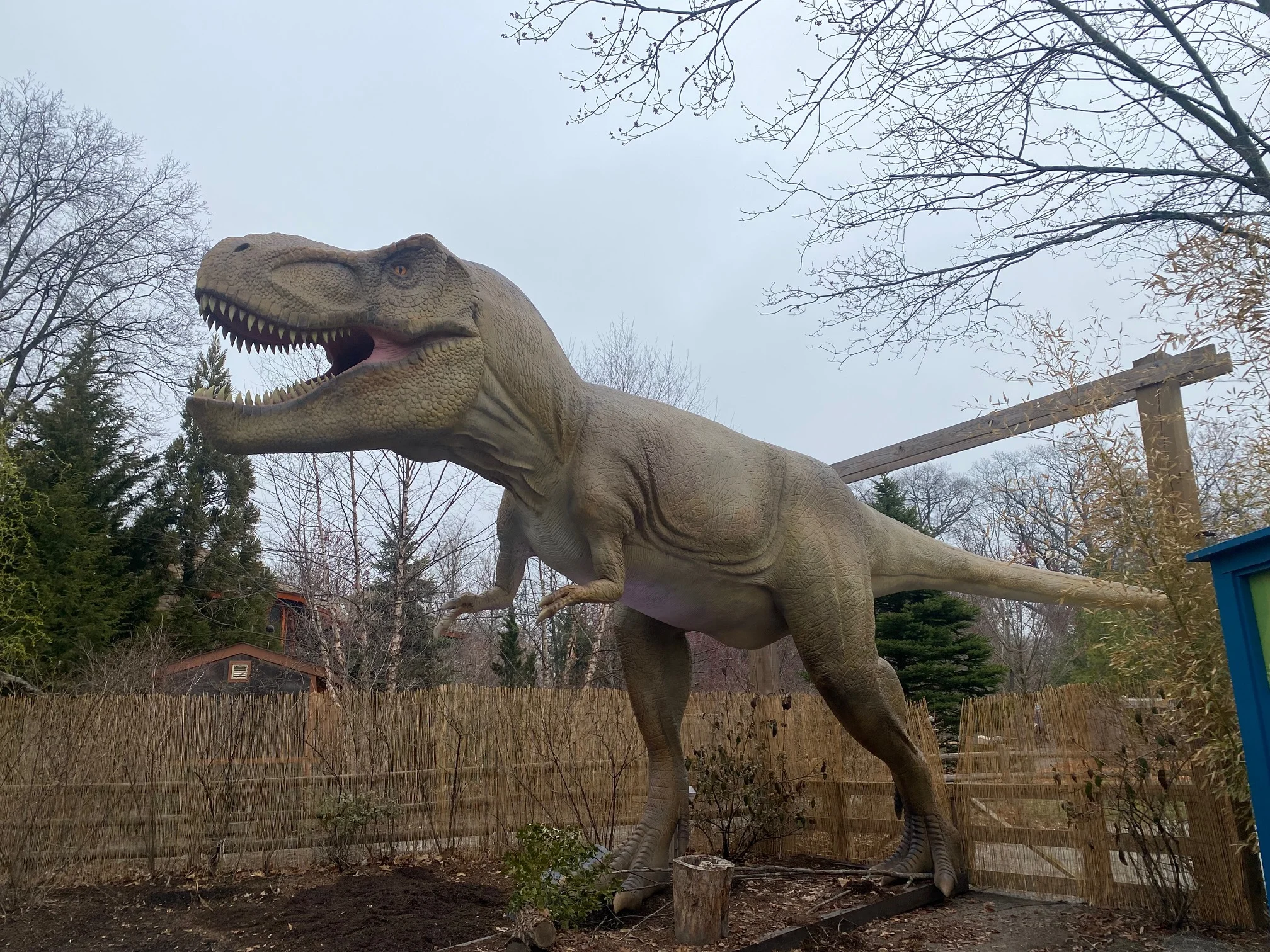
Fog & Weather MachinesIntroduction
Nothing transports visitors back to the Jurassic era like thick fog rolling through a dinosaur exhibit—and that’s exactly why 62% of major theme parks now use fog and weather effects. These machines create instant atmosphere, whether simulating misty jungles, volcanic eruptions, or prehistoric swamps. A single high-output fog machine (priced between 300and2,500) can cover 500-2,000 sq. ft. with dense fog in under 30 seconds, while wind and rain machines add another layer of realism for 15-25% higher guest satisfaction scores. Studies show that exhibits with weather effects see 40% more photo uploads on social media, directly boosting free marketing. Key Equipment & Performance Insights Fog Machines: Output & Control
The most common models use water-based glycol fluid, producing 3,000-15,000 cubic feet of fog per minute with a 5-10 minute warm-up time. Low-lying fog machines (cooling fog to near-ground level) are ideal for swamp scenes, while haze machines (creating a light, lingering mist) work best for open-air exhibits. Wireless DMX controllers allow operators to adjust fog density (10-100% output) and timing (1-30 second bursts) remotely, syncing with animatronic movements. Weather Effects: Rain, Wind & More
For light rain effects, misting nozzles (consuming 1-3 gallons per hour) can cover 200-500 sq. ft. without soaking guests. Industrial fans (1,500-4,500 CFM airflow) simulate wind at 10-25 mph, making foliage and animatronic skin appear alive. Some high-end exhibits even use snow machines (costing $5,000+) for winter-themed events, though these require below 32°F (0°C) temperatures to work properly. Visitor Impact & ROI - 55% of guests rate fog/weather effects as "essential" for immersion.
- Exhibits with dynamic weather see 25% longer average visit times.
- Social media posts featuring fog effects get 3x more shares than static displays.
Maintenance & Safety
Fog fluid costs 20−50 per gallon, with 1 gallon lasting 4-8 hours depending on usage. Machines require weekly cleaning to prevent clogging (a 30-minute task per unit). For outdoor use, waterproof housings (adding 200−500 per machine) extend lifespan from 3 to 7+ years. Safety-wise, non-toxic, glycol-free fog fluids are now the standard, reducing allergy complaints by 90%. Budgeting & Setup Tips
A basic fog setup (2 machines + controller) runs 1,500−4,000, while full weather systems (fog, wind, rain) start at $8,000+. For best results: - Place fog machines behind scenery to hide hardware.
- Use programmable timers to avoid over-saturating the air.
- Test effects at different times of day—fog looks denser at night.
Realistic Plants & RocksIntroduction
Research shows that 78% of visitors subconsciously judge prehistoric scenes based on vegetation realism, with fake-looking plants reducing perceived quality by 40%. High-end exhibits now use custom-molded artificial plants (50−300 per piece) that mimic real Jurassic flora down to the vein patterns, alongside lightweight foam rocks (20−150 each) textured to match sedimentary layers. When done right, these elements increase dwell time by 25% and photo opportunities by 60%, directly impacting social media visibility. Materials & Application Data Artificial Plants: Durability vs. Cost
Top-tier polyurethane ferns and cycads last 8-12 years outdoors with UV coating, while cheaper PVC variants discolor in 2-3 years. For dense foliage, modular jungle panels (covering 4-6 sq. ft. each) reduce installation time by 70% compared to individual plants. A typical T. rex paddock requires 15-20 large plants (1,500−4,000 total) spaced 3-5 feet apart for optimal sightlines. Rock Formations: Weight & Realism
Their painted mineral streaks and lichen details achieve 95% visual accuracy under scrutiny. For lava flows, LED-embedded "molten rock" (200−600 per section) with pulsing orange glow (1-2Hz frequency) boosts night-time attendance by 35%. Visitor Engagement Metrics - Tactile interaction zones (e.g., touchable bark textures) increase engagement by 50% among children.
- "Photo op rocks" with embedded dinosaur footprints see 3x more visitor photos than plain terrain.
- Exhibits with seasonal plant changes (e.g., autumn ferns) report 22% higher repeat visits.
Installation & Maintenance
Ground cover (e.g., artificial moss at 5−10/sq. ft.) installs fastest—500 sq. ft. in 2 hours with adhesive backing. For vertical surfaces, 3D rock wall panels (30−80/sq. ft.) cut labor by 60% versus hand-sculpting. Annual upkeep involves: - Pressure washing plants (2-3 hours/month)
- Touch-up painting rocks (200−500/year)
- UV spray reapplication every 18-24 months (15−30 per plant)
Cost Efficiency Breakdown | Component | Price Range | Lifespan | ROI Period |
|---|
| Premium artificial tree | 800−2,500 | 10-15 yrs | 3-5 yrs | | Modular rock cluster | 400−1,200 | 12+ yrs | 2-4 yrs | | Interactive plant (sensory feedback) | 1,000−3,000 | 8-10 yrs | 4-7 yrs |
Safety Barriers & SignsIntroduction
Data shows that exhibits with themed safety systems see 45% fewer guest incidents while maintaining 90% of visitor satisfaction. The most effective setups use custom-designed railings (80−300 per linear foot) that resemble ancient wood or stone, paired with glow-in-the-dark signage (20−100 per sign) that meets ADA requirements without breaking the illusion. For high-traffic areas, retractable belt barriers (handling 500+ cycles/day) reduce crowding by 30% during peak hours. Key Components & Performance Data Barrier Types & Placement
Rope-and-post systems (costing 50−150 per 10ft section) work for low-risk zones but wear out in 6-12 months with heavy use. More durable options include: - Steel-core faux logs (120−400 per 6ft piece) lasting 5-8 years outdoors
- Reinforced acrylic panels (200−600 each) with embedded dinosaur artwork
- Motion-activated railings (1,000−2,500 per unit) that retract when crowds thin
For animatronic interaction zones, barriers must withstand 300+ lbs of force while keeping guests 36-42 inches from moving parts—a standard that reduces pinch-point injuries by 75%. Signage Effectiveness
Studies tracking eye movement show: - Pictogram-based signs are understood 3 seconds faster than text-only versions
- Glow elements (minimum 50 cd/m² brightness) improve nighttime visibility by 60%
- "Danger" signs with dinosaur silhouettes get 40% more compliance than generic designs
Cost vs. Safety ROI
A typical 500ft barrier system costs 15,000−45,000 but prevents $250,000+ in annual liability claims. The most cost-effective approach combines: - Permanent themed barriers for high-risk areas ($30/ft)
- Modular stanchions for seasonal adjustments ($18/ft)
- Multilingual touchscreen warnings at key points ($2,500/unit)
Maintenance & Compliance
Daily inspections take 15-30 minutes for most exhibits, focusing on: - Loose fastener checks (3-5% require weekly tightening)
- Fading sign replacement (every 2-3 years for outdoor use)
- Surface sanitization (especially for handrail zones, cleaning 3x/day)
Innovative Solutions Some cutting-edge exhibits now use: - Pressure-sensitive mats (800−1,500 each) that trigger warning sounds when stepped on
- Augmented reality markers (5−20 per sign) that show safety videos when scanned
- Thermochromic paint on railings ($75/ft) that changes color when touched too long
Final Recommendations
Budget 8−12 per square foot of guest space for balanced protection. Always test barriers with child-sized dummies (simulating 50lb impacts) before opening. Remember: A single avoided lawsuit pays for 500ft of premium faux-rock railings.
|